About Orangutans
The name orangutan means “person of the forest.” These remarkable great apes share deep intelligence, emotion, and an uncanny resemblance to us.
Person of the Forest
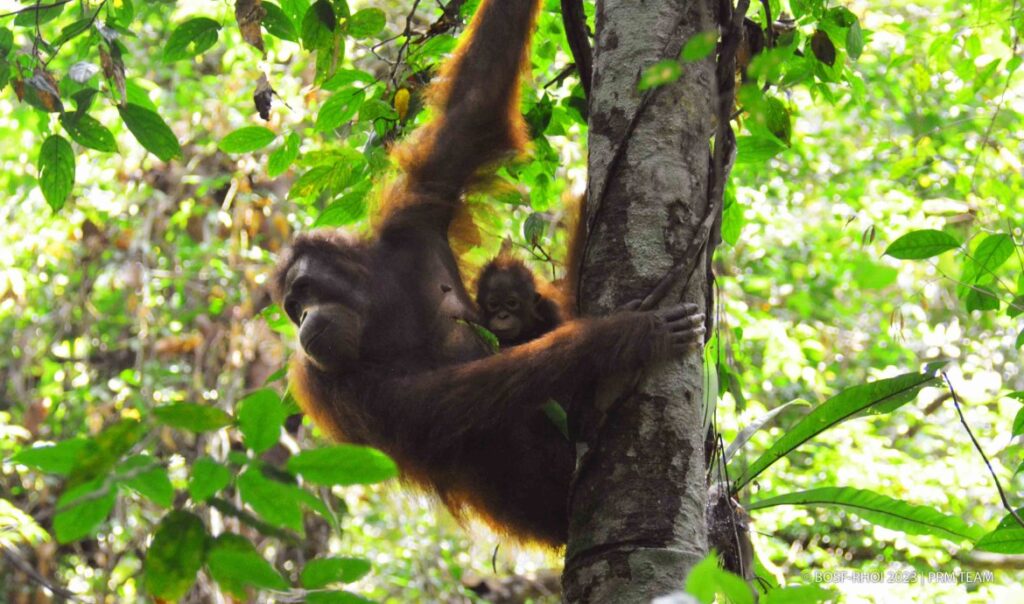
Orangutans are extremely intelligent and emotionally complex animals. Babies cry when hungry, whimper when hurt, and smile at their mothers. They experience joy, fear, anger, and surprise, and watching them for even a short time reveals how closely they mirror us.
Despite their size, orangutans are generally gentle and prefer to keep to themselves. They live quiet lives high in the forest canopy, rarely descending to the ground unless absolutely necessary. If not for the occasional call of a male or the squeal of a baby, you might never know they were there.
Local Indonesian folklore suggests orangutans can speak but choose not to, fearing they would be forced to work if discovered. Legends aside, one can hardly blame them for wanting to be left in peace.
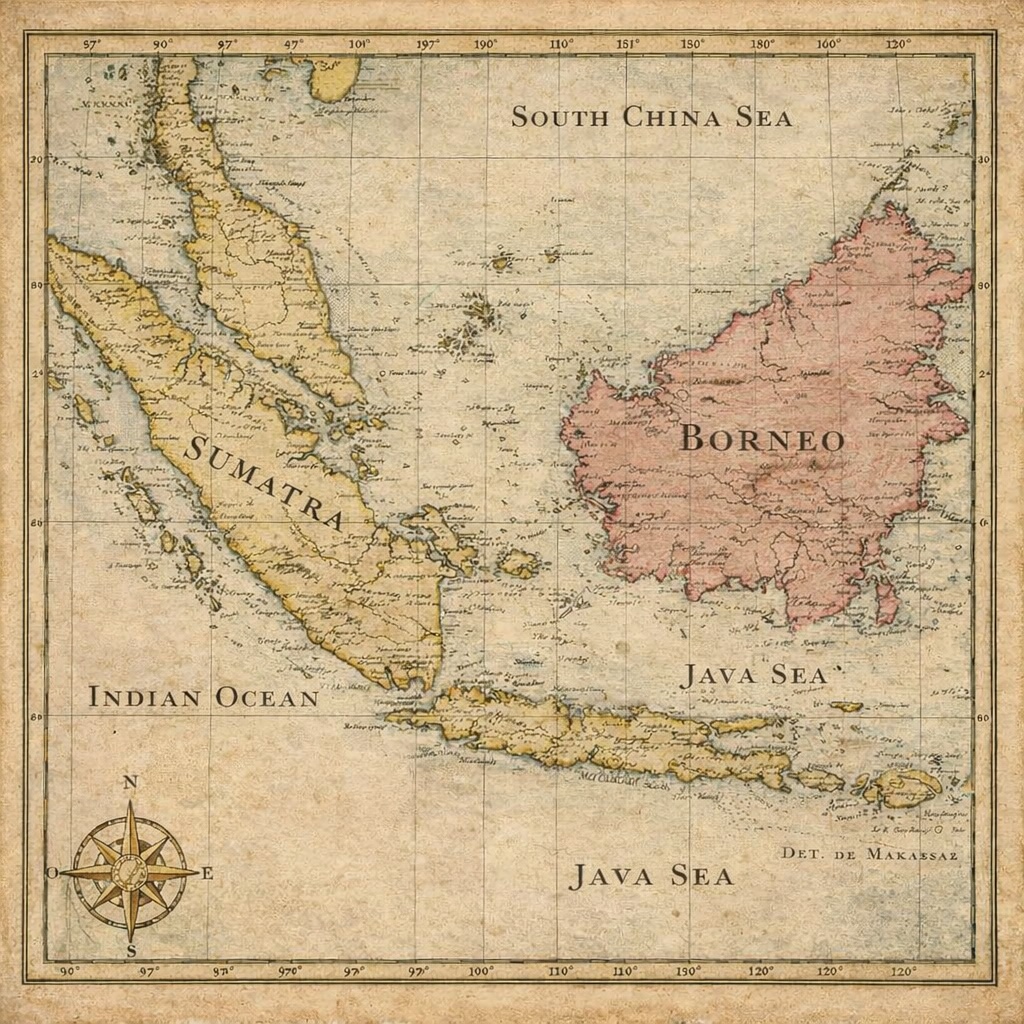
Where Are the Orangutans?
In prehistoric times, orangutans ranged across much of Asia, as far north as China. Today, deforestation and human expansion have restricted them to the islands of Borneo and Sumatra.
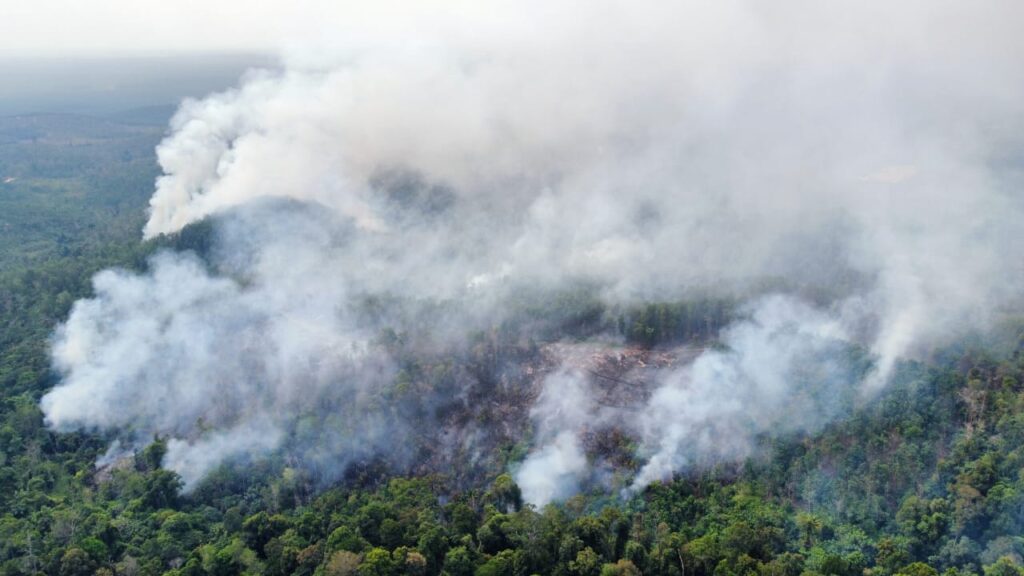
Even in these remaining strongholds, rainforest habitat continues to disappear due to logging, fires, agriculture, and oil palm plantations, placing wild orangutans at constant risk.
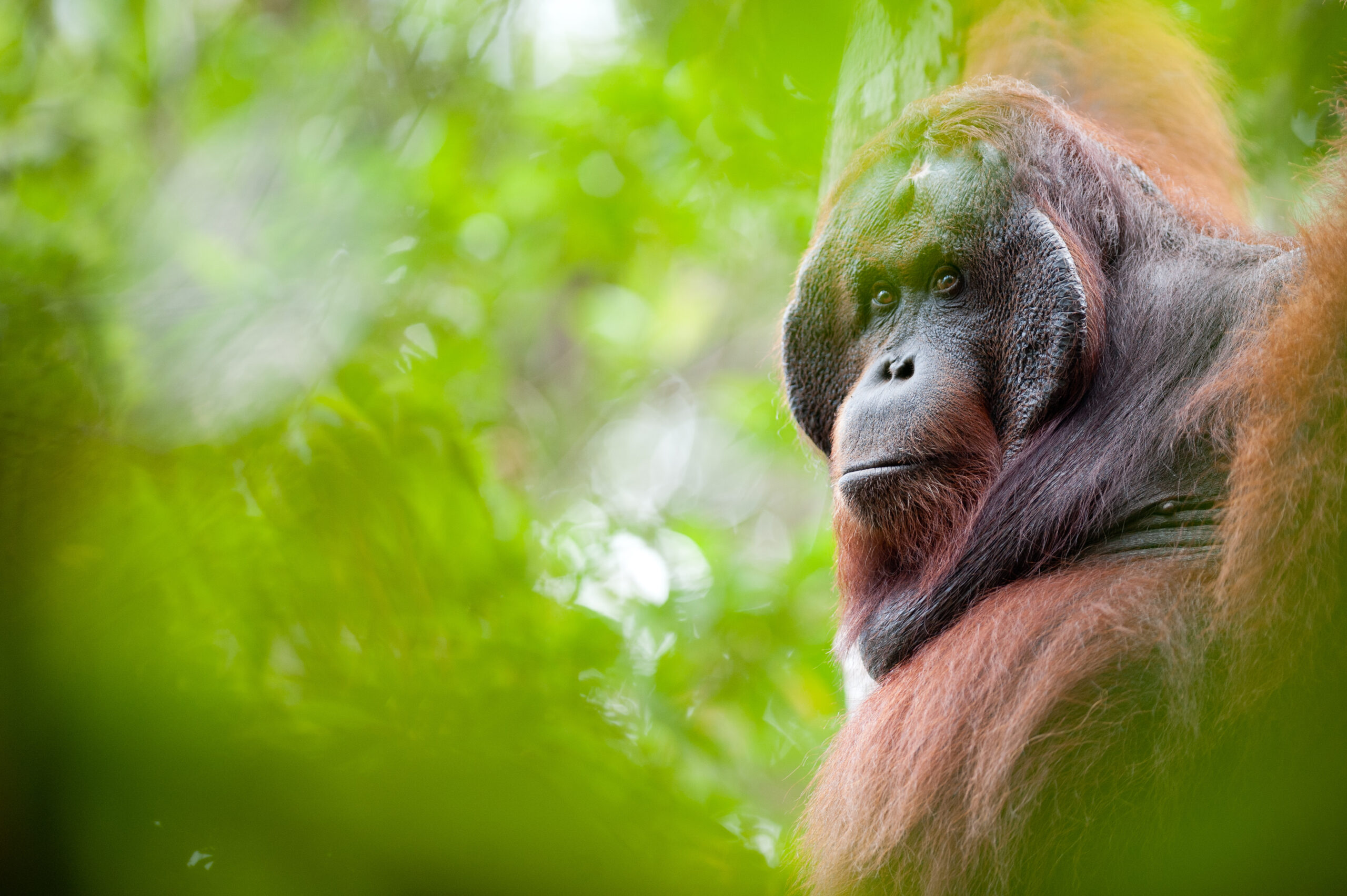
Bornean Orangutan
Found only on Borneo, this species is generally slightly smaller and darker in color than its Sumatran relatives.
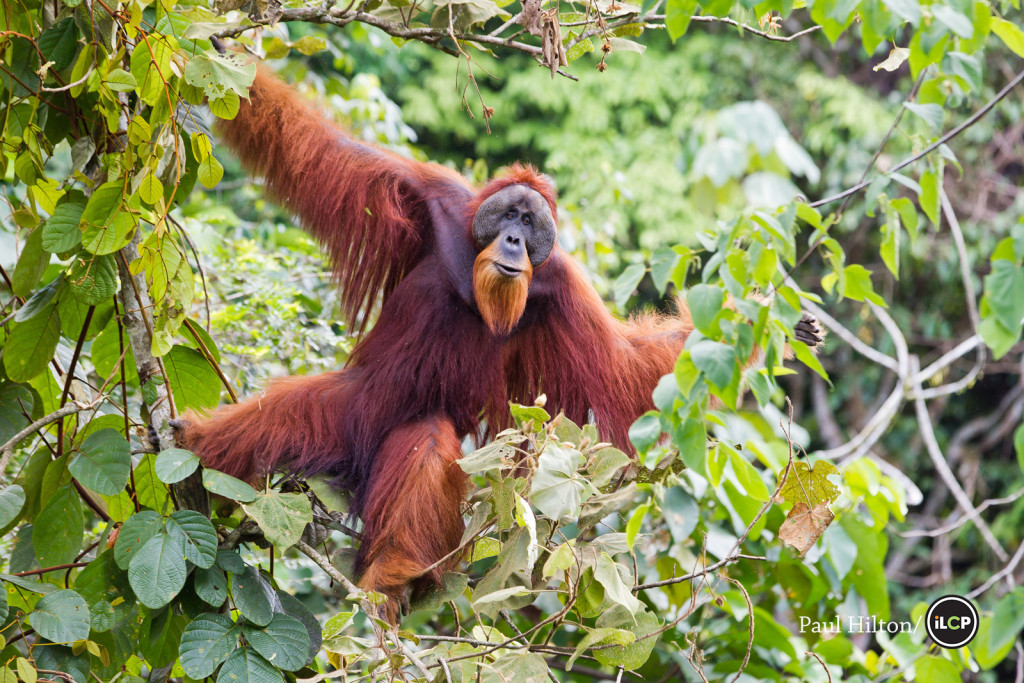
Sumatran Orangutan
Native to Sumatra, these orangutans have lighter hair and face severe habitat pressure.
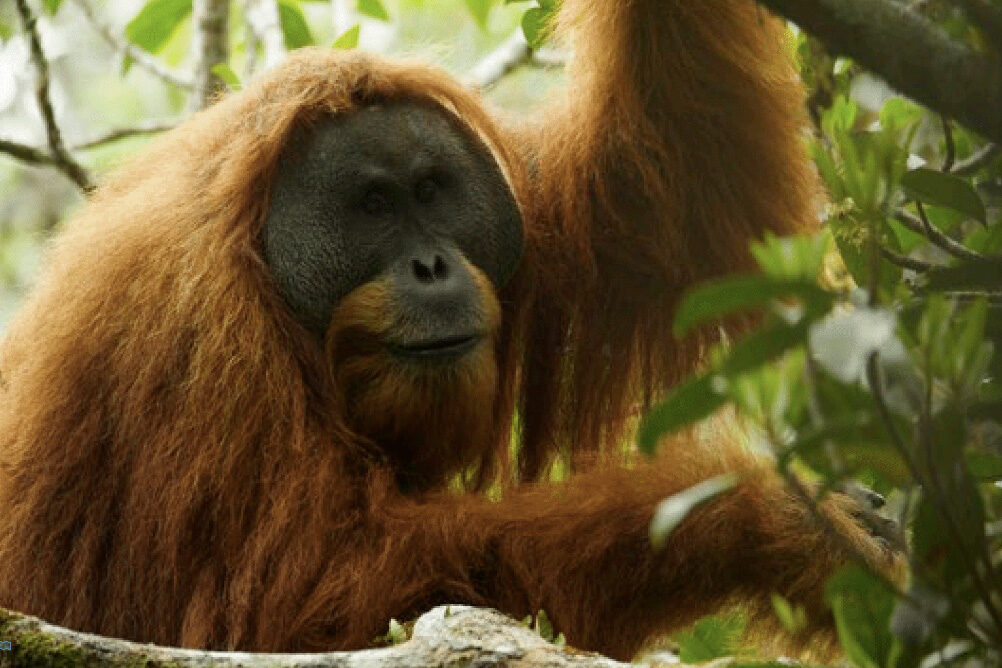
Tapanuli Orangutan
The most endangered great ape on Earth, found only in a small region of Sumatra.
Size & Strength
250+ lbs
Average weight of an adult male orangutan. Their arm span can reach up to 8 feet, allowing them to move powerfully and confidently through the forest canopy.
Life & Family
6 – 7 Years
Time between births. Infants remain with their mothers longer than any other mammal, learning everything they need to survive.
Diet & Skills
100’s Plants
Orangutans eat hundreds of plant species and must learn complex techniques to access protected fruits and food sources.
Intelligence
Every Night
Orangutans build a new sleeping nest every night, using branches and leaves to create a safe resting place in the forest canopy.
Built for Life in the Trees
Orangutans are perfectly adapted for arboreal life. They move confidently through the canopy using both hands and feet, rarely coming to the ground where predators, including humans, pose danger.
Walking on land is slow and awkward for them, reinforcing their dependence on intact forest ecosystems.
Threats to Orangutans
The greatest threats facing orangutans are rainforest destruction, illegal logging, fires, poaching, and large-scale development projects. Habitat loss has reduced wild populations drastically in just a few decades.
Despite being legally protected, orangutans continue to be killed or captured due to weak enforcement and economic pressure.
About Orangutans FAQs
Habitat loss, fires, poaching, and illegal wildlife trade have drastically reduced their populations.
Infants depend on their mothers for up to seven years, resulting in very low birth rates.
Rainforests provide food, shelter, and safety. Without forests, orangutans cannot survive.
Help Protect Orangutans
Your support can make a difference in the life of an orangutan.
Adopt an Orangutan Make a Donation